
Clinical
Education
Connecting physiotherapy knowledge with practical learning and clinical exposure to prepare students for professional practice.

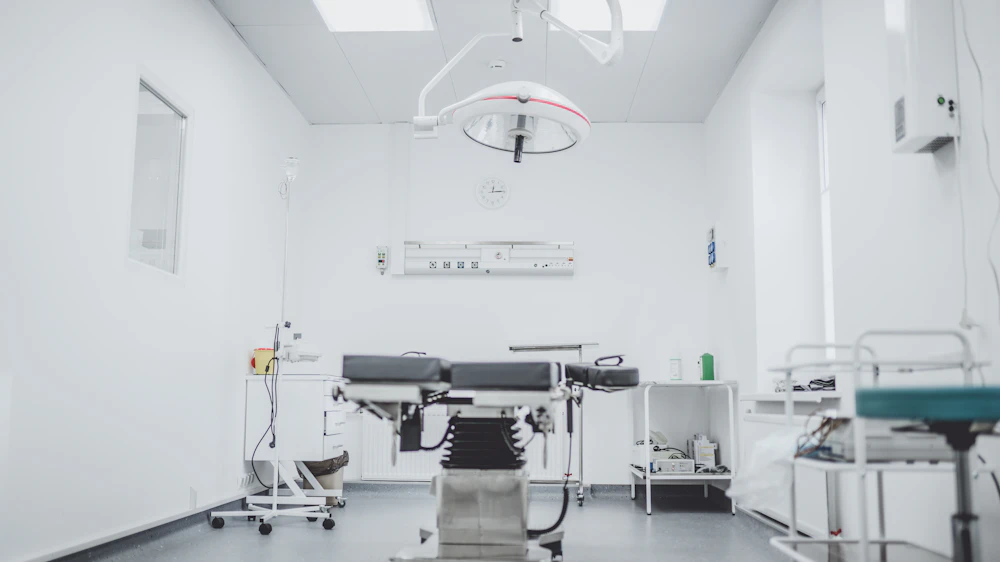
Where learning meets practice
At Spectrum College of Physiotherapy, clinical education is the vital bridge between the classroom and the profession. It provides the opportunity for students to translate theoretical medical sciences into tangible patient care.
Through structured exposure, students learn to connect academic concepts directly with practical situations, observing how experienced professionals assess, diagnose, and develop rehabilitation strategies in active healthcare environments.
This hands-on clinical learning is essential for developing the competence and confidence required to excel as a physiotherapist.
The Clinical Learning Journey
A structured approach to developing professional capability.
Prepare
Build the rigorous academic foundation in anatomy, physiology, and pathology required to understand clinical cases.
Observe
Enter clinical environments to observe how experienced physiotherapists apply knowledge to real-world rehabilitation scenarios.
Practice
Develop practical understanding and technical proficiency through guided, hands-on learning within controlled settings.
Apply
Connect accumulated knowledge and practical skills directly with clinical situations, developing a professional perspective on patient care.
Learning in a Clinical Environment
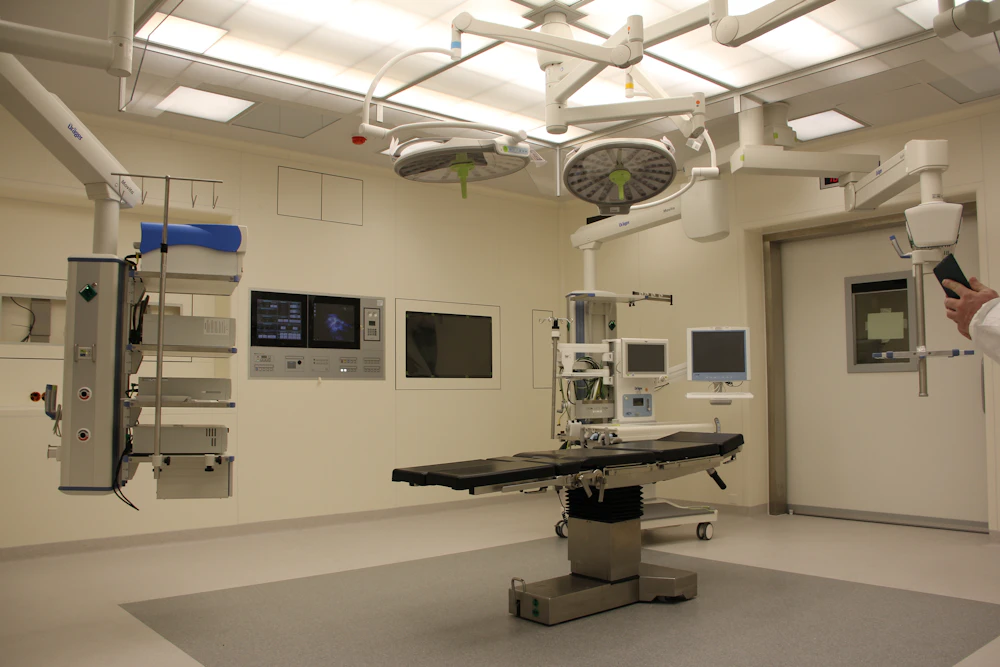
To truly grasp the complexities of patient care, students must learn within authentic healthcare settings. Hospital exposure is a cornerstone of the clinical education at Spectrum.
Within these environments, students engage in observational learning, witnessing a diverse range of medical conditions and the corresponding physiotherapeutic interventions. This exposure helps bridge the gap between textbook descriptions and the realities of clinical rehabilitation, fostering a deeper practical understanding.
Beyond the Classroom
Physiotherapy encompasses numerous specialised fields. Speciality-clinic exposure allows students to understand how core principles are adapted and applied across different areas of rehabilitation.
Neurological
Observing approaches for nervous system rehabilitation.
Orthopaedic
Understanding musculoskeletal and joint recovery.
Sports
Learning techniques for performance and injury prevention.
Paediatric
Focusing on physical development in children.
Geriatric
Understanding mobility and care for older adults.

Neurological Learning
Clinical exposure in neurological physiotherapy provides insight into the complex processes of rehabilitating the nervous system. Students learn by observing how professionals address conditions affecting mobility, balance, and coordination, connecting classroom neurology concepts directly with clinical practice.

Orthopaedic Learning
In orthopaedic settings, the focus shifts to the musculoskeletal system. Students develop a practical understanding of how to assess and manage conditions related to bones, joints, and soft tissues, observing the application of specific therapeutic movements and interventions designed to restore physical function.

Sports Learning
Clinical exposure within sports physiotherapy allows students to explore the unique demands of athletic environments. The learning focuses on observing preventative strategies, rapid assessment techniques, and rehabilitation protocols tailored for active individuals and sports-related injuries.
Learning with Guidance
The transition from academic study to clinical practice is supported by dedicated faculty guidance. Our approach ensures that students are not simply placed in clinical environments, but are actively mentored.
Through supervision and structured feedback, students are guided in developing their practical understanding, ensuring they interpret their clinical observations correctly and build the professional competence required for future independent practice.

What students take into clinical learning
The core elements that prepare our students for professional environments.
Knowledge
A deep understanding developed through rigorous academic instruction in medical sciences.
Observation
The ability to learn effectively by watching experienced practitioners in clinical environments.
Practical Understanding
The capability to connect theoretical concepts with tangible, practical situations.
Professional Perspective
Developing an understanding of clinical ethics, communication, and real-world patient care.
Clinical Education Highlights
Take learning into the clinical environment.
Explore the academic pathway, facilities and admissions journey at Spectrum College of Physiotherapy.