
Hospital
Exposure
Connecting classroom learning with real-world clinical environments and helping students understand the professional practice of physiotherapy.
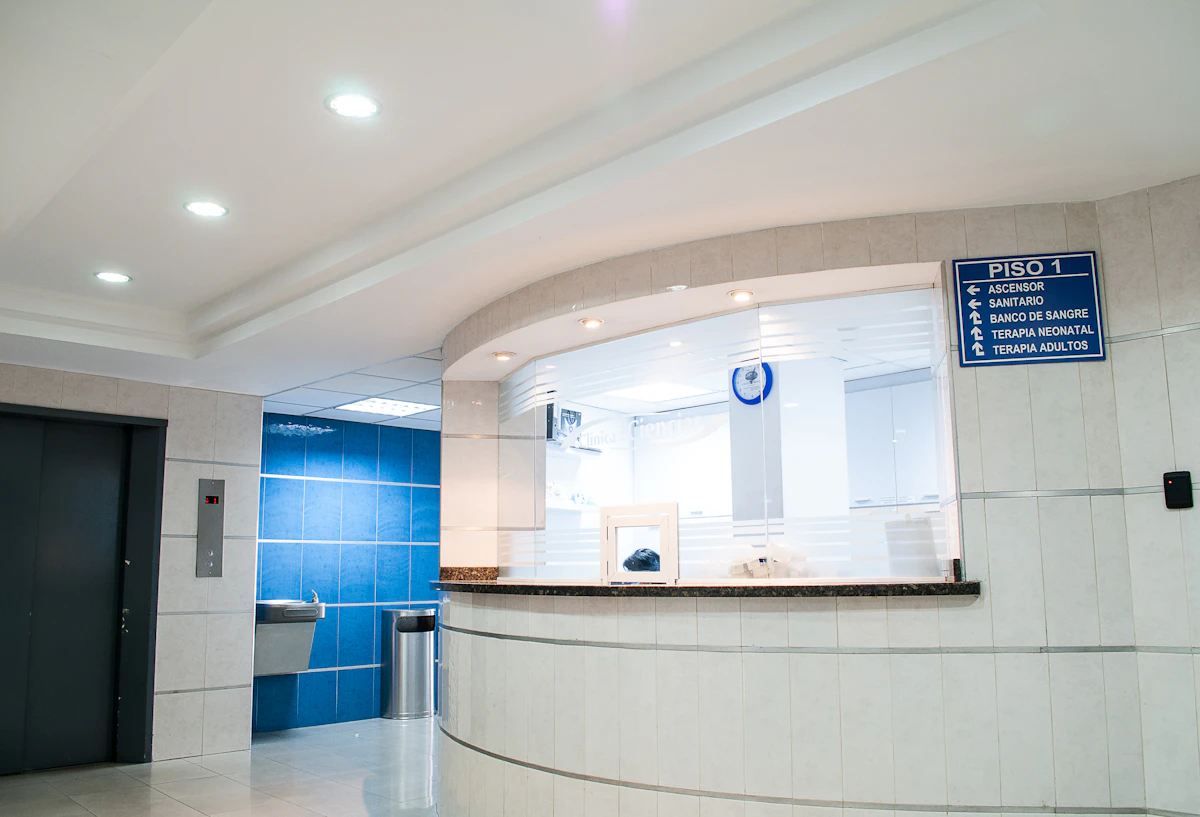

The value of clinical exposure
At Spectrum College of Physiotherapy, classroom instruction provides the theoretical foundation of healthcare and rehabilitation. However, true professional development requires direct exposure to active healthcare environments.
Hospital exposure enables students to bridge the gap between academic theory and practical reality. By observing experienced practitioners in hospital settings, students gain firsthand insight into patient assessment, clinical workflows, and professional communication.
Understanding Hospital Exposure
A structured approach connecting academic theory with clinical environments.
Classroom Knowledge
Mastering the foundational medical sciences, anatomy, and physiological principles.
Clinical Observation
Entering active healthcare environments to observe professional physiotherapy practice in action.
Practical Understanding
Connecting real-world clinical observations back to classroom learning for holistic growth.
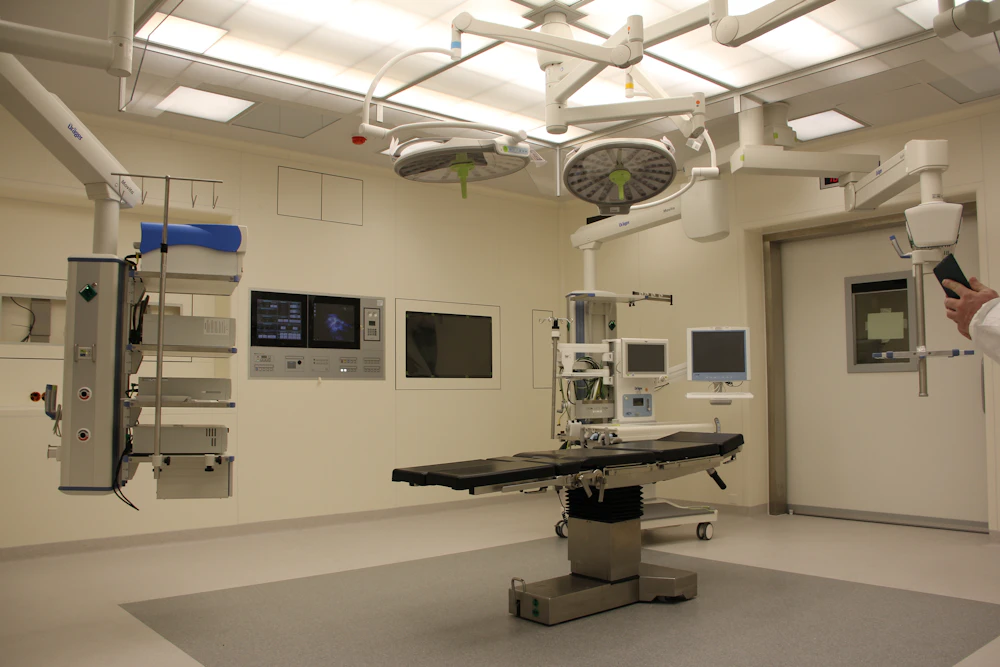
Inside the clinical environment
Navigating a professional hospital or clinical setting teaches students vital aspects of modern healthcare that cannot be replicated in a lecture hall.
Students develop an awareness of clinical workflows, multidisciplinary teamwork, patient communication, and professional conduct. This immersive exposure ensures they graduate with a grounded, realistic perspective on patient care.

Observe. Understand. Learn.
The three core pillars of the student clinical exposure experience.
Observe
Students develop keen observational awareness by watching experienced clinicians assess and treat patients in real time.
Understand
Connecting clinical observations directly with the anatomical and physiological principles studied in lectures.
Learn
Building a deeper appreciation for patient-centred care, ethics, and professional responsibility.
Learning through empathy & respect
Healthcare is fundamentally about people. Hospital exposure provides students with firsthand experience in patient-centred care, highlighting the importance of empathy, clear communication, and respect for patient dignity.
Witnessing how practitioners interact with individuals and families teaches students that successful rehabilitation requires excellent interpersonal skills alongside technical proficiency.
Learning as part of a healthcare team
Modern medical treatment relies on multidisciplinary collaboration. In hospital environments, physiotherapists work closely with physicians, nurses, and other specialists.
Hospital exposure allows students to observe this collaboration in action, helping them understand their future role within a comprehensive healthcare team dedicated to patient recovery.

Skills that grow through clinical exposure
Developing the professional attributes necessary for a successful career in physiotherapy.
Observation
Developing sharp attention to patient movement, posture, and clinical responses.
Communication
Learning how practitioners converse clearly and compassionately with patients.
Clinical Reasoning
Connecting theoretical signs and symptoms with clinical decision-making.
Professional Conduct
Upholding ethics, punctuality, and responsibility in a medical environment.
Teamwork
Understanding the value of collaboration among multidisciplinary healthcare staff.
Patient Perspective
Cultivating empathy and understanding the individual experience of rehabilitation.
Frequently Asked Questions
Common questions regarding hospital exposure in physiotherapy education.
Hospital exposure refers to structured opportunities for students to enter active healthcare environments and observe professional physiotherapy practice and patient care firsthand.
It bridges the gap between classroom theory and real-world clinical reality, helping students understand patient care, clinical workflows, and professional conduct.
Students learn about clinical reasoning, patient communication, professional teamwork, and how rehabilitation principles are applied in active healthcare settings.
Observations made in clinical settings reinforce anatomical, physiological, and pathological concepts studied during lectures, turning abstract theory into practical understanding.
Continue your clinical education journey.
Explore the academic programme, clinical training, and student life at Spectrum College of Physiotherapy.