
Sports
Sciences
Explore the relationship between movement, physical performance, injury prevention, rehabilitation and physiotherapy through the academic lens of Sports Sciences.


Understanding sports sciences in physiotherapy
At Spectrum College of Physiotherapy, sports sciences form an exciting and dynamic academic domain. It explores how human movement, exercise physiology, and biomechanics intersect with clinical physiotherapy to support active individuals and athletes.
Through structured academic study, students examine physical performance factors, injury mechanisms, preventative strategies, and rehabilitation protocols designed specifically for active lifestyles and athletic recovery.
Key areas of sports sciences
The academic themes shaping movement, performance, and recovery education.
Human Movement
Understanding how the body moves during physical activity, exercise, and athletic participation.
Sports Performance
Exploring the physiological, biomechanical, and conditioning factors that influence physical performance.
Exercise Science
Understanding exercise prescription, physical training principles, and conditioning frameworks.
Injury Prevention
Learning about factors that contribute to sports-related injuries and strategies used to minimize risk.
Sports Rehabilitation
Understanding rehabilitation principles and progressive protocols following physical injury.
Performance & Recovery
Exploring the critical relationship between physical training, adequate recovery, and functional capability.
The science of human movement
Analyzing how forces act on the musculoskeletal system is central to sports sciences. Students examine how joints, muscles, and bones work in harmony during high-intensity athletic maneuvers and everyday physical activity.
By understanding movement mechanics, future physiotherapists can identify inefficiencies or movement faults that may predispose an individual to injury, enabling targeted corrective interventions.


Understanding sports injury & prevention
Prevention is always preferable to cure. In sports sciences, students investigate the common mechanisms behind athletic injuries—such as sudden changes in direction, overload, or inadequate conditioning.
Learning how to evaluate risk factors equips students to design effective pre-habilitation and conditioning programs that protect athletes and active individuals during rigorous physical training.
From injury to function
The structured educational framework guiding sports rehabilitation.
Assess
Understand the individual's physical condition and functional needs.
Plan
Establish appropriate, progressive rehabilitation goals.
Rehabilitate
Apply appropriate physiotherapy and exercise principles.
Progress
Monitor functional development and safely guide return to activity.
Movement. Performance. Function.
Three interconnected dimensions of athletic and physical capability.
Movement
Understanding efficient, purposeful, and biomechanically sound movement patterns across various athletic disciplines.
Performance
Exploring physical capabilities, conditioning, and the physiological factors that support high-level output.
Function
Connecting physical ability with everyday independence and sporting excellence.
Learning sports sciences through physiotherapy
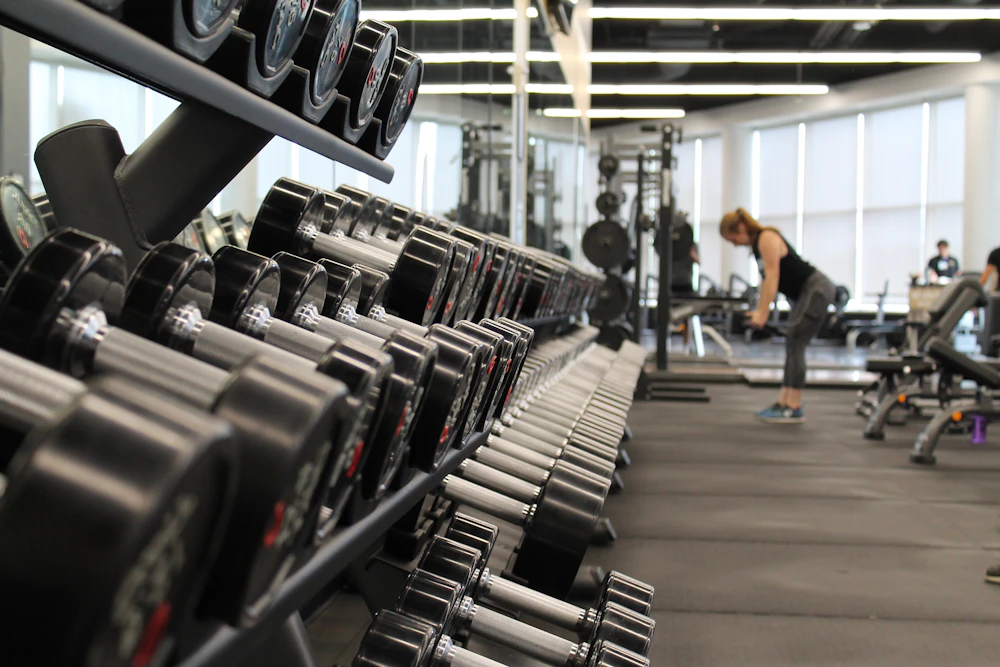
Academic study in sports sciences combines theoretical instruction with practical laboratory engagement. Students examine movement analysis, practice functional testing, and explore exercise prescription.
This comprehensive learning experience ensures that future physiotherapists build a thorough understanding of athletic care, preparing them for clinical training and professional practice.
Connecting sports sciences & orthopaedics
Sports sciences share a deep academic bond with orthopaedic physiotherapy. Both disciplines focus heavily on the musculoskeletal system, joint mechanics, and tissue healing.
By studying sports sciences alongside orthopaedics, students gain a holistic perspective on how physical trauma occurs and how structured rehabilitation restores both health and performance.

Frequently Asked Questions
Common questions regarding sports sciences in physiotherapy education.
Sports sciences are an academic discipline examining human movement, exercise physiology, biomechanics, and their application to physical performance, injury prevention, and rehabilitation.
They provide the scientific basis for understanding movement mechanics, athletic conditioning, and injury mechanisms, which physiotherapists use to design effective recovery programs.
Sports rehabilitation involves structured progressive protocols and exercise therapy designed to restore physical function and safely guide an individual back to activity following injury.
Both disciplines share a focus on the musculoskeletal system, joint mechanics, and tissue recovery, offering complementary insights into physical health and movement.
Continue your physiotherapy journey.
Explore the academic programmes, clinical training, and student experience at Spectrum College of Physiotherapy.